
ABSTRACT
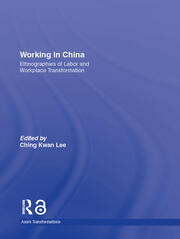
After a quarter century of market reform, China has become the workshop of the world and the leading growth engine of the global economy. The industrial workplace and factory workers have dominated the field of contemporary Chinese labor studies, which, if broadly defined, includes studies of village life, agricultural production, and township and village enterprises. The secular decline of state political control over workers and the workplace occurs in the larger context of Chinese economic restructuring, labor and welfare reforms. A panoply of new policies covering social insurance and welfare has overhauled the old work unit-based workers’ entitlement system. Engineers in China’s information technology industry who enjoy high, even inflated, salaries confront some problems. The politics of work in reform China entails not just conflicts over fledgling institutional norms and workplace practices that threaten long-accepted worker rights, but also contestation over fluid occupational, gender, native-place, and class identities.
