
ABSTRACT
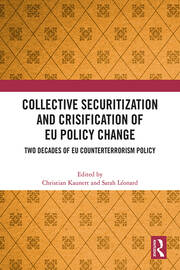
The first two decades of EU counterterrorism policy are emblematic of the emergence of an internal-external security nexus. This has occurred through the EU's collective securitization of terrorism as a transboundary threat that blurs the traditional divide between internal and external security requiring multidimensional and transboundary EU counterterrorism policies and practises. The EU's status quo discourse of terrorism as primarily a national and internal security threat to be dealt with by domestic security agencies has transformed into strategic discourses, policies and practices that frame terrorism as a transnational threat to the EU requiring a transnational response that integrates internal and external policies, institutions, and capabilities. While institutional silos, turf wars, and differing institutional cultures continue to hamper the routinization of a transboundary response, this collective securitization of terrorism as a transboundary threat, within a wider internal-external security nexus, is reshaping the nature of the EU as a security actor.
