
ABSTRACT
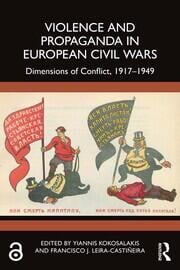
The Finnish Civil War of 1918 was deeply influenced by embodied rhetoric and propaganda, reflecting pre-war societal divisions between socialist aspirations and bourgeois nationalism. Reciprocal vilification intensified through propaganda. The Whites depicted themselves as guardians of independence and defenders of innocence against the formless, infected mass of the Reds, while the Reds painted the bourgeoisie as greedy oppressors and depicted the war as a leveling campaign against oppression and hunger, invoking Marxist rhetoric of class struggle. This construction of enemy images significantly lowered the threshold for violence, ultimately leading to armed conflict. Funerals became spectacles of propaganda, with the Reds emphasizing workers’ marches and the Whites invoking Christian faith and national vitality. Both sides utilized emotive language and sacrificial imagery to justify violence, with writers and journalists emerging as key propagandists. The Finnish Civil War was not just a clash of arms but a battle of narratives.
