

ABSTRACT
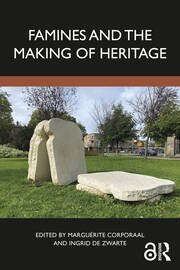
Famine memories are still omnipresent in societal debates and the public sphere, and heritage practices surrounding past European hunger crises play a significant role in the ways in which these legacies are (re-)interpreted. This introduction to the volume examines theoretical frameworks that shed light on these famine heritages that can be found in, amongst others, education, commemoration, and musealisation. Furthermore, it proposes methodologies, perspectives, and new directions for examining the inherently transnational nature of famine heritage.
