

ABSTRACT
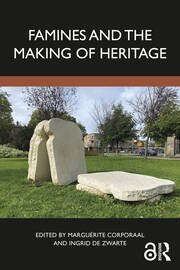
This chapter explores the issues surrounding the musealisation of the famine which struck Northern Scotland in the middle of the nineteenth century during the period of the Clearances, a period whose legacy has had long-lasting consequences. It engages with both socio-political and museological questions, such as the use of folk material culture and the representation of poverty and economic vulnerability, the mobilisation of the past in the service of contemporary concerns, and the evolution of curatorial practices, in particular the emphasis on community participation and the increasing move towards museum activism.
