
ABSTRACT
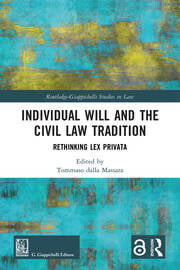
This essay investigates the implications of smart contracts for the traditional concept of contractual non-performance. Smart contracts – self-executing agreements encoded on blockchain platforms – automate the fulfilment of obligations once predefined conditions are met. While they offer advantages in terms of efficiency, transparency, and decentralization, they also raise complex legal questions. Most notably, once a smart contract is deployed and the triggering conditions are satisfied, the execution becomes technically irreversible. This technological determinism paradoxically deprives the parties of their traditional contractual faculty to suspend, negotiate, or even breach performance. In this sense, smart contracts challenge the very notion of legal voluntas as the sovereign expression of private autonomy, replacing it with the preprogrammed logic of code.
