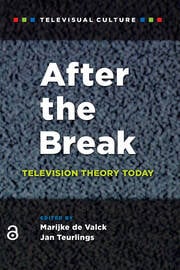

ABSTRACT
The history of television is a history of change. From vacuum tubes, to transistors, to chips; from broadcast, to narrowcast, to on-demand; from cathode ray tube receivers, to plasma flatscreens, to projection; from a programmer’s vision, to the viewer’s choice, to the interworkings of metadata protocols and ‘smart agents’… we have witnessed an ongoing process of transformation in technology, textual organization, regulatory frameworks, and viewing practices. The pace of change has been as dramatic as it has been uneven. Regulation, infrastructure, national interest, and viewer expectation have all, at times, stimulated development, or suppressed it. Overall, the pace of television’s change as a set of technologies and practices is striking when compared to the relative stasis of film, radio and print – all, certainly, media with their own developmental dynamics.
