
ABSTRACT
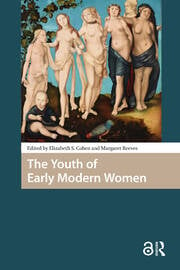
This collection of essays demonstrates that early modern women experienced a shaping time of life between childhood and adulthood. Drawing on diverse sources from across Europe as well as Spanish America – including literary and visual representations, material cultures, letters, and judicial records – these studies together explore three central themes: how female youth was culturally constructed; how young women underwent distinctive physiological, social, and psychological transformations; and how differences of social rank inflected these changes. Scholarly investigations of European youth have generally focused on the more visible and institutionalized male presence. These essays show that women, too, had a youth that allowed them to reach full adulthood, to exercise agency, and to express themselves.
