
ABSTRACT
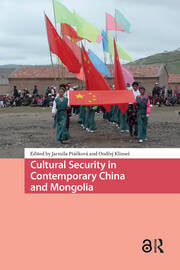
The introductory chapter situates the collective monograph’s findings within the existing discussion on cultural security. It introduces its general principles, accentuating common dynamics between a dominant and a minor group, and points out direct connection between the perceived degree of cultural security and the need to emphasize, restore, or invent cultural identifiers. In the context ofs the People’s Republic of China, this chapter discusses how cultural security is perceived by minority nationalities and by the state. It refers to various state stability and institutional dimensions of cultural securitization, as well as horizontal and/or bottom-up mechanisms of cultural security building, and identifies a firm connection between the effectiveness of ethnic and cultural policies and the degree of cultural security perceived by targeted minorities and by the state. In contrast, the case of Mongolia shows how collective identification and participation in national cultural security building can enhance citizens’ cultural self-confidence.
