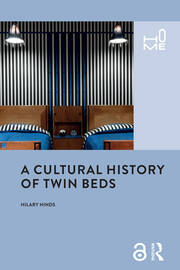

ABSTRACT
When Lytton Strachey turned his critical eye on the décor of 69 Lancaster Gate, the house in which he grew up, his account might be characterized as exhibiting an Oedipal shudder. If homes are at times as odd and unnerving as Strachey’s dream rendered his, how much stranger are their inhabitants –– not in their being unusual, but rather in their gradually revealed unfamiliarity and unknowability. As well as bequeathing the twentieth century a body of analytic theory, a series of techniques for accessing the unconscious, therefore, Freud also left a sense of the home as a profoundly transformed environment: more ambiguous, but also with more to tell, of more import, than previously, its strangeness compounded by the familiar and intimate strangers dwelling within it. In middlebrow, middle-class culture, marriages were frequently anatomized and differing configurations of marital closeness and remoteness were tested and renegotiated, celebrated or destabilized.
