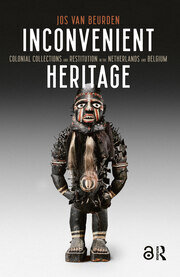

ABSTRACT
Anyone who has followed the debate on restitution of collections from colonial contexts since the Second World War will possibly discern few new insights in its current content. What is new is its weight. Over the past decade, decolonisation has gained a permanent place on the agenda of governments, museums, the academic world, the media and in the public eye. There is more openness, courage and curiosity about how objects, archives and ancestral remains once left their countries of origin and how that drainage still influences relations between the Global South and the Global North. Fellow countrymen with roots in the former colonies are speaking out more and often touch a nerve.
