
ABSTRACT
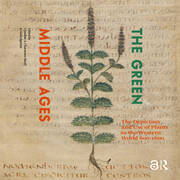
This chapter introduces a series of articles on the history of the use of plants from 600-1600: not only for food, medicine and pigment, but also as an important place in literature and art. Classical antiquity is the basis for Western knowledge about plants up until the eighteenth century. An influence from Jewish and Arab scholars came with the Salerno School and the University of Toledo in the twelfth century. Thanks to them, the theories of Galen and Hippocrates about the four elements were introduced to Western thought about vegetables and medicine. Medieval manuscripts with information about plants are encyclopaedias, herbaria picta (illustrated plant books) and recipe books. In the sixteenth century, plants dried between sheets of paper were collected in so-called herbaria viva.
