
ABSTRACT
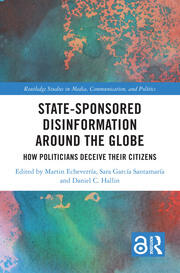
This book aims to bring scholarly attention to domestic state-sponsored disinformation as a pervasive and global phenomenon. It contributes to a better understanding of the prevalence of state involvement in disinformation campaigns and the specific threats it poses to democratic institutions and citizens’ trust in them. State-sponsored disinformation is particularly powerful because it counts with privileged access to resources, strategic planning, sophistication, perceived legitimacy, institutional power, and collusion with other media and corporate stakeholders. The book shifts the focus from key crises and authoritarian governments to a broader examination of state-sponsored disinformation across different political regimes. Organised into three sections—Liberal Democracies, Electoral Democracies, and Electoral and Closed Autocracies—it includes 14 cases from around the world that provide a comprehensive understanding of the various strategies, tactics, and impacts employed by governments. By analysing these cases, the book aims to shed light on the complexities and nuances of state-sponsored disinformation and to provide insights into effective countermeasures and strategies to mitigate its detrimental effects.
