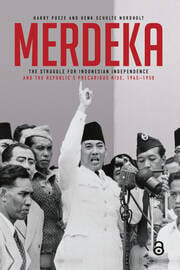

ABSTRACT
The founders of the alternative People’s Council of Indonesia – the Madjelis Rakyat Indonesia (MRI) – were busy establishing regulations and procedures for their own parliament when they were overtaken by the war. The Japanese occupation of the archipelago put an end to Dutch colonial rule, but it also marked the beginning of a period of fundamental change. While the economic exploitation and the mobilisation of millions of people under Japanese rule left deep social wounds, it also gave rise to a new generation of young people who were willing to fight against the West with renewed enthusiasm. Did the Japanese conquest of the archipelago liberate Indonesia? How did the moderate nationalists react to Japanese rule? And were Sukarno and Hatta able to reassert their influence after their long imprisonment?
