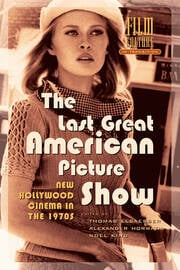

ABSTRACT
Astonishing things seemed possible in the 1970s, the decade when the 1960s came home to roost. Buffeted by the same pressures that rocked American society overall, the movie industry underwent an unprecedented upheaval that left it permanently changed. In the space of a few crucial years, the citadel of Hollywood – then crowded with industry veterans whose tastes and technical skills were formed decades earlier – was stormed by writers, editors, directors, producers, cinematographers and actors who learned their craft not by rising through the ranks of major studio production, but on Hollywood's fringes: in television, film school and exploitation movies. They rejected the conventional ideals embraced and disseminated by Hollywood's venerable dream factory and produced a body of complex, ambitious movies characterized by ambiguous endings, cynical morals and puzzling, contradictory characters whose fortunes foundered on the world's casual cruelty. They ushered ina sea change in American mainstream filmmaking as the powerful, mandatory Production Code, in place since 1934, breathed its last gasp in 1968 and promised a wide- open future in which no topic was taboo.
