
ABSTRACT
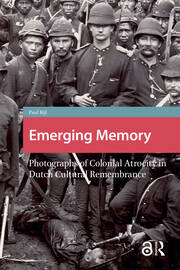
In the Dutch East Indies – the group of islands that is now part of the Republic of Indonesia – a number of photographs of colonial atrocities were taken in 1904. This study investigates the subsequent appearances of these photographs in Dutch cultural memory, i.e. the way in which groups of people remember the past through all kinds of representations. 1 The photographs, which depict the results of massacres in villages in the Gajo and Alas lands on the island of Sumatra, were taken by the Royal Netherlands East Indies Army (KNIL) during a military expedition as part of the Atjeh War, which lasted from 1873 to 1908. 2 This study follows these photographs over the course of the last century as they were framed by texts, other images, and discourses within Dutch cultural memory by a variety of mnemonic communities: groups that produce cultural memories and are themselves shaped by these. 3 The most important of these communities in this book is the nation of the Netherlands as an imagined community, while important other communities include the Dutch military (chapter 1 and 2) and the Indische Dutch – those Dutch adults and children who had lived in the Dutch East Indies (chapter 3). All in all, these photographs reappeared more than seventy times in a wide variety of contexts. 4
