
ABSTRACT
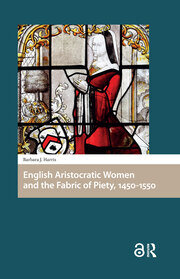
English Aristocratic Women and the Fabric of Piety, 1450-1550 is the first comprehensive study of Yorkist and early Tudor aristocratic women’s role in the flowering of religious art—architecture, sculpture, stained glass, engraving, textiles, and plate ornaments—that transformed English churches in the century before the break with Rome. They enlarged, restored, and decorated their parish churches and other favorite religious institutions; built tombs, stained-glass windows, chantry chapels, and altars; endowed almshouses and schools to perform works of charity and pray for their souls; and donated many priceless and luxurious textiles, jeweled objects, and plate to adorn the celebration of the Mass. 1 The vast majority of these women’s projects were designated for the parish churches where their principal manors or castles were located, the parish being the community that formed the basis of their social, economic, and political position. As members of a community’s leading family, these women expected and received the deference of the community’s inhabitants, a high proportion of whom were their tenants and servants. In return, they built, restored, and beautified their parish churches, the sole public buildings in the majority of these communities, while their commissions were the only art most of their neighbors ever encountered. 2
