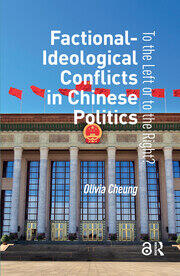

ABSTRACT
Guangdong and Chongqing were embroiled in factional-ideological conflicts concerning the proper approach to governance in the run-up to a once-in-a-decade transition of the top party leadership in 2012. The Guangdong model was created by Wang Yang and supported by the Party’s Right. It called for restricting state power and giving more freedoms for social groups to operate autonomously. The Chongqing model was groomed by Bo Xilai and endorsed by the Party’s Left. It advocated an expansion of the state sector to strengthen the regime’s clientelist ties with the people. These models represented different visions for China’s future. The unexpected purge of Bo in March 2012 was followed by renewed calls for political liberalization by the liberal-leaning media outlets in China.
