
ABSTRACT
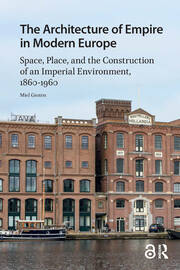
Commerce was a driving force behind colonialism. As empires expanded and developed, they fuelled the skyrocketing of world trade. In the flows of goods and capital that this entailed, European industry – processing colonial commodities or producing manufactures for colonial markets – played a crucial role. Factories, such as the rice mills of the Dutch Zaan region that processed and re-exported rice from colonial Burma and Java in the late nineteenth and early twentieth centuries, thus became the focal points for such trade relations. In the mills’ nomenclature and public relations efforts, the new, eye-catching factories were constructed as the high-tech centres of imperial trade relations, linked to traditional colonial agriculture in what was portrayed as a productive, harmonious whole.
