
ABSTRACT
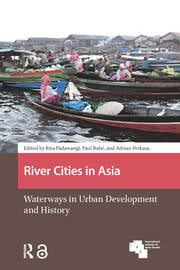
Banjarmasin, the capital of South Kalimantan Province, is known in Indonesia as the city of a thousand rivers. Situated on a fluvial plain and close to the mouth of the Barito River, Banjarmasin’s landscape was transformed as a result of interaction between the physical environ- ment and human actions. This chapter explores the landscape changes in Banjarmasin during the Sultanate period (1526–1860) that came about because of warfare, contacts with foreign traders, and the division of the territory under the treaties with the Dutch. The creation of space for political, economic, and settlement functions combined with the riverine and tidal swamp environment defined the development of the city, making it different from the other coastal port cities of Indonesia.
