
ABSTRACT
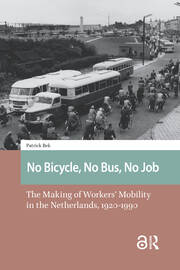
Amid war and shortages, blue-collar workers experienced severe mobility barriers to access jobs. Europe in the 1940s was marked by shared experiences of war, destruction, and scarcity. Human loss is estimated at around thirty-six and half million Europeans—many of them civilian casualties in bombed out cities and death camps. Widespread shortages of foodstuffs, textiles, and other necessities put a heavy burden on citizens’ shoulders. The material damage was enormous too. Across Eastern and Western Europe, cities, homes, and industries lay in ruins, while transport and communications were severely disrupted. In France, of the 12,000 pre-war locomotives, only 2,800 were still running. Roads, rail tracks, and bridges had been destroyed by retreating German forces and advancing Allied troops. In the Netherlands, pre-war rail, road, and canal transport was reduced to 40 percent by 1945. 1 The daily commute was far from self-evident.
