
ABSTRACT
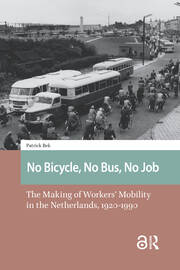
Amid postwar industrial growth, the company bus enabled employers to expand labor markets, as labor historians have mentioned without addressing the underlying politics. 1 We have seen that company buses enabled rural and migrant workers in places with no mobility alternatives to access farther afield jobs. With these buses their travel horizons expanded considerably. This chapter shows these buses also allowed employers to control how and when mostly unskilled and ununionized workers travelled. Historians have shown that the postwar era was marked by far-reaching rationalization and mechanization of production to control the work process. I argue that postwar company buses also should be seen as an extension of these paternalist-capitalist power relations.
