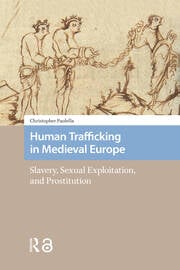

ABSTRACT
Over the course of the twelfth and thirteenth centuries, medieval Western Europe to the north of the Alps and Pyrenees experienced widespread socioeconomic changes that included urban revitalization and an expansion of the monetary economy. These changes encouraged the growth of commercial sex, which developed over the course of the thirteenth century to the point that its socioeconomic structures (brothels, bath-houses or ‘stewes,’ prostitution rings, etc.) began to be formally addressed by royal, ecclesiastical, and municipal authorities: at this point, we may now speak properly of a growing commercial sex industry. The growth of that industry would in turn create a new source of demand for labor that human traffickers were willing and able to supply.
