
ABSTRACT
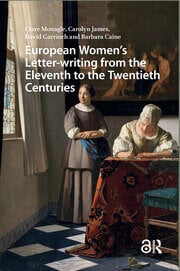
The ‘familiar letter’, relatively informal and often written for pleasure rather than by obligation, became the dominant form of personal letter in the seventeenth and eighteenth centuries. Changes in female education and expanding public postal services opened letter-writing to many more women, and the genre came to be seen as one at which they excelled. The familiar letter, along with the development of the novel and wider changes in behavioural norms, made possible new kinds of epistolary relationship. Some women used their correspondence with family, lovers, friends and acquaintances to shape relationships in ways that were new, and that would not have been possible in face-to-face communication.
