
ABSTRACT
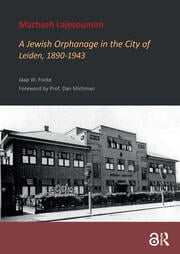
The 300-year-old building was entirely unsuitable as a children’s care home. It had no facilities, and it was so dilapidated that it could not be restored. Year by year, the governors discussed possible solutions. In 1903 they acquired a plot of land on the outskirts of Leiden, in the Rodenburger Polder. But lack of funds kept building plans in limbo until a new and expanded board of governors, now also including women, decided to make a commitment despite the economic uncertainties at the time. Building started in June 1928, made possible by active fundraising and supported by Protestant and Catholic organizations, civil authorities, and the community in Leiden as a whole.
