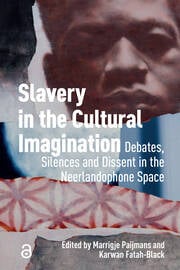

ABSTRACT
With the rising tide of scholarly and societal interest in the history and legacy of colonialism and slavery, this collection offers a much-needed diachronic analysis of the cultural representations of the lives and afterlives of those subject to slavery and indenture. It focusses on the history of the ‘neerlandophone’ space, defined as the complex linguistic space spanning former Dutch colonies. This collection gives a longue durée overview, the cases encompassing the period from the early modern era to the present day, revealing the deep roots of the colonial ‘cultural archive’. A wide variety of scholars demonstrate how attention to the layered and polyphonic qualities of narratives can reveal silent and disruptive voices in colonial discourse, as well as collective emotions and imaginations that have hitherto remained unrecorded in most historical sources. They discuss different aesthetic, poetical, and storytelling practices, including literature, photography, performance, philosophy, and other forms of knowledge production that were formed both in the metropolis and by enslaved and indentured peoples in the colonies.
